• Home
  • Business
  • Beauty
  • Career and finance
  • Food
  • Health
  • Home and living
  • Lifestyle
  • Travel
Stellar Lifestyle Collective
keep your memories alive
Should You Comb Curly Hair Everyday
Beauty

Should You Comb Curly Hair Everyday- Complete Guide

by Morgan July 19, 2024
written by Morgan

Did you know that 65% of the world’s population has naturally curly or wavy hair? Yet, many struggle with their curly hair care routine. This guide will help you navigate the challenges of daily combing curly hair and managing frizzy curls.

Embracing your curls starts with understanding their unique needs. Whether you have loose waves or tight coils, proper care is crucial. Let’s explore how to keep your curls looking great.

Understanding Your Curly Hair Type

Knowing your curly hair type is crucial for great curls. It helps you pick the right styling tips. This way, you can make the most of your hair’s unique traits.

Identifying Curl Patterns

Curls come in many patterns, from loose waves to tight coils. You might have:

  • Type 1: Wavy hair with S-shaped curves
  • Type 2: Curly hair forming spirals or loops
  • Type 3: Coily hair with tight Z-shaped patterns

Knowing your curl pattern guides you in choosing the best products and styles.

Assessing Hair Porosity

Porosity shows how well your hair takes in and holds moisture. It’s key to how you should style and care for your curls. Hair can have low, medium, or high porosity. A simple water test can show your porosity level.

Recognizing Hair Texture

Hair texture is about strand thickness. It can be fine, medium, or coarse. Knowing this helps you pick the right styling tools and products. Fine hair might need lighter products, while coarse hair often does better with richer formulas.

Understanding these aspects of your curly hair lets you create a personalized care routine. This way, you can boost your natural curl pattern and keep your hair healthy and beautiful.

Should You Comb Curly Hair Everyday

Curly hair needs special care to stay healthy and look good. Deciding if you should comb curly hair every day is key for keeping it in top shape. This depends on your hair type and its condition.

Combing curly hair every day can mess up its natural curl and cause frizz. It might also lead to breakage if your hair is dry or damaged. So, it’s better to use gentle ways to detangle and avoid damage.

For most curly-haired folks, combing every 3-4 days is enough. This lets you get rid of tangles without harming your hair too much. When you do comb, use a wide-tooth comb or your fingers to gently untangle knots.

  • Use a leave-in conditioner before combing.
  • Start from the end and work your way up
  • Comb in sections to minimize stress on your hair

Remember, taking care of curly hair doesn’t mean you have to comb it every day. Focus on moisturizing, using protective styles, and refreshing your curls with water or a curl-refreshing spray. This way, you keep your curls looking great without causing damage.

Essential Tools for Curly Hair Care

Caring for curly hair means using the right tools and products. Your curls need special care to stay healthy and look great. Let’s look at some key items for your curly hair care routine.

Wide-Tooth Combs vs. Brushes

Wide-tooth combs are kind to curls and help prevent breakage. They’re ideal for detangling curly hair when it’s wet. Brushes can mess with curl patterns and cause frizz. It’s best to use combs for smooth, defined curls.

Detangling Sprays and Leave-In Conditioners

Detangling sprays make combing easier and help prevent breakage. Leave-in conditioners are crucial for keeping curly hair moisturized. They keep your hair hydrated and help define your curls.

Curly hair products for moisturizing

Microfiber Towels and Satin Pillowcases

Replace your regular towel with a microfiber one. It’s gentler on your curls and reduces frizz. Satin pillowcases also help by preventing friction while you sleep, keeping your curls in place, and reducing tangling.

  • Use a wide-tooth comb for detangling.
  • Apply leave-in conditioner to moisturize.
  • Dry your hair with a microfiber towel
  • Sleep on a satin pillowcase

Using these tools and products makes curly hair care simpler and more effective. Your curls will look bouncy, defined, and healthy.

Proper Techniques for Detangling Curly Hair

Detangling curly hair techniques

Detangling curly hair can be tough, but the right methods can help. Begin by applying a leave-in conditioner to damp hair. This makes the hair easier to work with.

Then, split your hair into sections. This makes it easier to handle and ensures you don’t miss any tangles. Start with your fingers to gently remove big knots.

When using a wide-tooth comb, begin at the ends and move up to the roots. This approach helps avoid pulling and reduces breakage. Take your time to avoid damage from rushing.

  • Use a detangling spray for extra slip
  • Work in small sections for thorough detangling
  • Avoid brushing dry curly hair to prevent frizz

For tough knots, add more product and use your fingers to carefully separate the strands. Aim to detangle without harming your natural curl pattern.

After detangling, apply your favorite styling products for frizz control. Scrunch them into your hair to help curls form and get defined. With these steps, you’ll soon have smoother, healthier curls.

Curly hair care is a journey of discovery and self-love. By understanding your unique curl pattern, porosity, and texture, you can tailor your hair care routine. This way, you get the best results.

Daily combing curly hair isn’t always needed, but regular care is key. It keeps your hair healthy and defined.

Embracing natural curls means finding the right tools and techniques for you. Wide-tooth combs, detangling sprays, and microfiber towels can greatly improve your curly hair styling routine. Always be gentle when detangling and avoid too much handling to keep your curls looking great.

The ultimate goal of curly hair care is to highlight your natural beauty. Try different methods and products to see what works best for your curls. You’ll get the hang of curly hair styling with patience and the right approach. You’ll learn to love your hair’s unique character.

July 19, 2024 0 comments
0 FacebookTwitterPinterestEmail
what to eat with hot dogs
Food

What to Eat with Hot Dogs: Tasty Side Dishes

by Morgan July 19, 2024
written by Morgan

Americans eat about 20 billion hot dogs every year. These tasty sausages are a favorite for many. They’re perfect for picnics, barbecues, and sports events. But what makes hot dogs special are the tasty sides that go with them.

Choosing the right side dishes can make your hot dog meal even better. Whether you’re grilling at home or having a quick snack, the right sides can elevate your experience. In this article, we’ll show you some delicious options to try with your hot dogs.

We’ll cover classic flavors and new taste combinations. Get ready to find the best side dishes, toppings, and combinations. These will satisfy your cravings and make your hot dogs even better.

Classic Combos: Traditional Sides to Serve with Hot Dogs

Finding the right side dishes for a hot dog is key. These classic sides not only make the meal better but also bring back fond memories. Let’s look at some top choices that go great with hot dogs.

Baked Beans: A Staple at Every Cookout

A cookout isn’t complete without baked beans. They add sweetness and smokiness to your hot dog. You can make them at home or use canned ones, but they’re always a hit. The tangy taste of the beans goes perfectly with the savory hot dog, making a great combo.

Homemade Coleslaw: Crunchy and Creamy

Homemade coleslaw is another great side for hot dogs. It offers a refreshing crunch and creamy texture that contrasts well with the hot dog. You can make it with shredded cabbage, carrots, and a tangy dressing. Add onions or pickles for more flavor. Coleslaw’s cool taste is perfect for any hot dog party.

Perfectly Seasoned Potato Salad

Potato salad is a classic hot dog side dish. It matches the hot dog’s flavors perfectly, making it a must-have. With its tender potatoes, balanced seasonings, and creamy dressing, it’s a comforting bite. Try adding diced onions, celery, or hard-boiled eggs for more texture and flavor.

Picking the Perfect Hot Dog Toppings

Choosing the right toppings can elevate your hot dogs. From classic ketchup and mustard to adventurous options, there’s a lot to try. Consider relish, diced onions, sauerkraut, and jalapeños for a flavor boost.

Relish is a top choice for hot dogs. Sweet or dill relish adds a tangy, slightly sweet taste. It brings a burst of flavor and crunch with every bite.

Diced onions add crunch and flavor to hot dogs. Their sharp taste balances the richness of the hot dog. This creates a delicious mix of flavors.

Sauerkraut is a classic that goes well with hot dogs. Its tangy, slightly sour taste adds depth to the hot dog. It also adds a nice texture.

If you like spice, try jalapeños. Sliced or pickled jalapeños add a spicy kick and more flavor. Just remember to adjust the amount based on your spice level.

Don’t hesitate to try new hot dog toppings. Mix different condiments, vegetables, and sauces to find your favorite. The goal is to balance flavors and textures for a great hot dog experience.

hot dog condiments

With the right condiments, a simple hot dog becomes a treat. Whether you prefer classic or adventurous flavors, the best toppings make your taste buds happy. So, get creative and enjoy your hot dog toppings!

What to Eat with Hot Dogs: Creative Pairings to Try

Classic sides like baked beans and coleslaw are always a hit at cookouts. But sometimes, you want to spice up your hot dog with unique pairings. Try these delicious hot dog combinations to impress your guests.

Spicy Jalapeño Cornbread

spicy jalapeno cornbread

Spicy jalapeño cornbread is a creative and flavorful match for hot dogs. The heat from the jalapeños and the sweetness of cornbread boost the hot dog’s taste. You can make jalapeño cornbread muffins or a big loaf to share. The spicy kick adds a unique twist to the traditional hot dog.

Sweet and Tangy Fruit Salsa

A little sweetness can elevate your hot dog. Try it with sweet and tangy fruit salsa. Mix your favorite fruits like mangoes, pineapples, and peaches with lime juice, cilantro, and a hint of spice. This salsa adds freshness and acidity, balancing the hot dog’s richness.

Refreshing Cucumber Salad with Dill

A refreshing cucumber salad with dill is great with hot dogs. Slice cucumbers thinly and mix them with a tangy dressing. This salad cools down the hot dog’s flavors and adds a crisp, refreshing touch to your meal.

These creative hot dog pairings will elevate your cookout. Whether you like spicy cornbread, tangy fruit salsa, or refreshing cucumber salad, these combinations will satisfy your taste buds and impress your guests.

Grilled Delights: Vegetables That Complement Hot Dogs

Don’t forget to add delicious vegetable side dishes when serving hot dogs. Grilled vegetables are a great match, bringing smoky and charred flavors. These flavors perfectly complement the grilled hot dog.

Several vegetables are great for grilling with hot dogs. Bell peppers, zucchini, onions, and corn on the cob are top choices. Grilling these veggies boosts their natural taste and adds a satisfying texture. This texture goes well with the juicy hot dog.

To grill your vegetables, brush them with olive oil and season with your favorite herbs and spices. Try different combos like garlic and herbs or chili powder for heat.

Keep an eye on the vegetables while grilling to get them just right. They should be tender but have nice charred edges. Serve them with your hot dogs for a meal full of flavor and color.

Choosing the right side dishes, toppings, and pairings can elevate your hot dog experience. Whether you like classic combos or want to try new things, there are many options. You can go for traditional sides like baked beans and homemade coleslaw or try something different like spicy jalapeño cornbread and sweet and tangy fruit salsa.

These choices can make your hot dog feast unforgettable. So, next time you grill, think about adding these tasty options. They’ll make your meal even better.

FAQs

What are some classic side dishes to serve with hot dogs?

Classic side dishes for hot dogs include baked beans, homemade coleslaw, and potato salad. These sides add flavor and variety to your meal.

What are some popular toppings for hot dogs?

Hot dogs are often topped with ketchup, mustard, relish, onions, sauerkraut, and jalapeños. These toppings add flavor and make the hot dog taste better.

Can you suggest some creative pairings for hot dogs?

Yes! Try pairing hot dogs with spicy jalapeño cornbread, sweet fruit salsa, and cucumber salad with dill. These sides offer a unique taste and enhance the hot dog’s flavor.

What are some grilled vegetables that go well with hot dogs?

Grilled veggies like bell peppers, zucchini, onions, and corn on the cob are great with hot dogs. Their smoky flavor matches the hot dog perfectly.

How can I take my hot dog meal to the next level?

To improve your hot dog meal, try new side dishes, experiment with toppings, and explore unique pairings. There are many ways to make your hot dog feast delicious and fun for everyone.


July 19, 2024 0 comments
0 FacebookTwitterPinterestEmail
what hair products make hair curly
Beauty

What Hair Products Make Hair Curly: Top Products Revealed

by Morgan July 19, 2024
written by Morgan

Did you know 65% of people have curly or wavy hair? This fact shows how many need good curl products. Whether you love your curls or want to add volume, knowing the right hair products is essential.

The curly hair market has grown a lot, with many products available. You can find curl creams, mousses, and gels for different curls. With so many options, it can be hard to choose. But don’t worry, we’ll show you the best products for beautiful curls.

Finding the right products for your curls is important. Your hair type and texture affect what works best. Let’s explore the best curl products together.

Understanding Curly Hair Types and Textures

Curly hair comes in many shapes and sizes. Knowing your curl type helps you pick the right products and care routine. Let’s dive into the world of curls and learn how to make the most of your unique texture.

Identifying Your Curl Pattern

Curl patterns range from loose waves to tight coils. The most common system classifies curls from 2A (loose waves) to 4C (tight coils). Look at your hair when it’s wet to see your true curl pattern. This knowledge helps you choose the best curl defining products for your hair type.

The Importance of Porosity in Curly Hair Care

Porosity refers to your hair’s ability to absorb and retain moisture. It’s key in how well frizz-control hair products work for you. Low-porosity hair needs lightweight products, while high-porosity hair does better with richer, more moisturizing formulas.

Factors Affecting Curl Definition

Several things can impact how well your curls hold their shape:

  • Humidity: High humidity can cause frizz and loosen curl patterns
  • Hair damage: Heat styling and chemical treatments can alter your natural curl pattern
  • Styling techniques: The way you apply products and dry your hair affects curl definition

Understanding these factors helps you choose the right curly hair stylers and techniques. With the right approach, you can achieve beautiful, well-defined curls that last all day.

Essential Ingredients for Curly Hair Products

Curly hair requires special care, and the right ingredients are crucial. Products like curl activators, anti-humidity hair sprays, and anti-frizz serums are essential. Let’s look at the key components that make these products work well.

Moisturizing agents are key for healthy curls. Glycerin and aloe vera are top choices, offering hydration and definition. These are often found in curl activators, enhancing your natural curl pattern.

Proteins are vital for strengthening curly hair. Look for products with keratin or silk protein. These ingredients repair damage and boost elasticity, crucial for curly hair.

Natural oils are a must for curly hair. Argan, jojoba, and coconut oils are common in anti-frizz serums. They lock in moisture and shield against humidity, keeping curls defined and smooth.

Many prefer silicone-free products. These avoid build-up and let your hair breathe. Instead, they use natural butters like shea or mango, which nourish without weighing down your curls.

Humectants are key in curl-enhancing products. They draw and hold moisture, keeping curls defined all day. Look for honey or panthenol in your anti-humidity hair sprays.

  • Glycerin and aloe vera for hydration
  • Proteins for strength and elasticity
  • Natural oils for frizz control
  • Silicone-free formulations to avoid build-up
  • Humectants for long-lasting curl definition

Understanding these ingredients helps you pick the best products for your curly hair. Whether you need curl activators, anti-humidity sprays, or anti-frizz serums, these components will help you get gorgeous, defined curls.

What Hair Products Make Hair Curly: Top Recommendations

Choosing the right products can change how your curls look. Let’s check out some top picks to boost your curls’ natural look and keep them looking great.

Leave-In Conditioners for Curl Enhancement

Leave-in conditioners are key for keeping curls moisturized and defined. Look for ones with ingredients like shea butter or coconut oil. These keep moisture in and stop frizz all day.

Curl-Defining Creams and Gels

Curl defining lotions and gels are favorites for many with curly hair. They shape and hold curls, reducing frizz. Put them on damp hair, scrunching from the bottom up to help curls form.

Curl defining gels

Mousse and Foam Products for Bounce and Volume

Curl-activating mousses add volume and bounce to curls. They’re light and give a soft hold without making hair heavy. Put them on damp hair and scrunch up for the best look.

Oils and Serums for Frizz Control

To fight frizz and add shine, use oils or serums. These are great as final touches. Rub a little on your palms and smooth over your curls, especially the ends.

Styling milks for curls are also good if you don’t like creams or gels. They give a light hold and moisture without losing volume. Try different products together to see what’s best for your curls.

Curly Hair Styling Techniques and Tips

Mastering curly hair styling can change how you see your hair. Let’s explore some effective techniques to make your curls look great.

The Plopping Method for Defined Curls

Plopping is a top way to make curls more defined. After using curl reviving leave-in conditioners, bring your hair together at the top of your head. Use a microfiber towel or t-shirt. This helps curls form better without gravity pulling them down, giving you bouncy, defined curls.

Diffusing Techniques for Volume and Shape

Diffusers are key for curly hair to dry your hair right while keeping its shape. Start by flipping your head upside down and putting hair into the diffuser in sections. Move the diffuser in small circles, from roots to ends. This adds volume and cuts down on frizz.

Diffusers for curly hair

Avoiding Common Curly Hair Mistakes

Avoid these common mistakes:

  • Over-brushing: Brush only when wet to prevent frizz
  • Using too much product: Start with small amounts to avoid weighing down curls
  • Skipping refresh days: Use curl refreshing sprays between washes to revive curls

By following these tips, you’ll get gorgeous, defined curls that catch everyone’s eye. Try different products and methods to see what’s best for your curls.

Maintaining Healthy Curls: Care Routines and Practices

Keeping your curls healthy needs a good care routine. Start by adding deep conditioning treatments to your weekly routine. These treatments make your curls soft and easy to manage. Getting regular trims every 6-8 weeks stops split ends and keeps your curls in shape.

Protective styling is crucial for your curls. Try braids or twists to protect your hair from damage. At night, switch to a silk or satin pillowcase. This reduces hair friction and keeps moisture in your curls.

Between wash days, use curl activating sprays to refresh your curls. These sprays bring life back to flat curls, adding bounce and definition. Leave-in conditioners are a must for keeping curls moist all day. Put them on damp hair, focusing on the ends.

For beachy waves, sea salt sprays are perfect. They add texture and volume, giving you that easy, undone look. But use them carefully to avoid drying out your hair.

  • Deep condition weekly
  • Trim regularly
  • Use protective styles
  • Sleep on silk or satin pillowcases
  • Refresh with curl activating sprays
  • Apply leave-in conditioners
  • Try sea salt sprays for texture

By following these tips, you’ll keep your curls healthy and vibrant. Remember, being consistent is key in curl care. Stick to your routine for the best results.

Embracing your curls is a journey of discovery and care. By understanding your unique curl type and texture, you can pick the perfect products. Curling creams, curl enhancing serums, hair mousses, and wave sprays are great for your curls.

What works for one person might not work for another. Don’t be afraid to try different products and techniques. You might find that a mix of a leave-in conditioner and a curl-defining cream works best. Or maybe a hair mousse with a lightweight oil is your go-to.

Be patient and consistent with your curly hair routine. Watch how your hair reacts to different products and styling methods. With time and practice, you’ll get the hang of creating beautiful, bouncy curls. These curls will make you stand out and boost your confidence.l

FAQs

What are the best hair products to make my hair curly?

Top hair products for curls include leave-in conditioners like DevaCurl One Condition Decadence. Also, curl-defining creams and gels such as Ouidad Advanced Climate Control Heat & Humidity Gel are great. Don’t forget about mousses like Moroccanoil Curl Control Mousse.

Oils and serums from brands like Bumble and Bumble and Oribe can also help. They control frizz and enhance curl definition.

How do I identify my curl type and pattern?

Curl types vary from loose waves (2A) to tight coily curls (4C). To find your curl type, look at your hair when it’s wet and bare of products. Check the shape, size, and curl definition.

Knowing your curl type guides you in picking the right products and styling methods.

What ingredients should I look for in curly hair products?

Look for moisturizing agents like glycerin and aloe vera. Proteins add strength, and natural oils hydrate. Silicone-free formulas and humectants like honey boost curl definition and fight frizz.

How do I style my curly hair for maximum definition and volume?

Use the plopping method with a microfiber towel or t-shirt for defined curls. Diffusing, where you dry curls gently with a diffuser attachment, adds volume and shape.

Avoid over-brushing and excessive product use to prevent frizz and loose curls.

What are some tips for maintaining healthy curls?

Deep conditioning treatments and regular trims keep curls healthy. Using silk or satin pillowcases helps too. Refresh curls with products like DevaCurl Mist-er Right Dream Curl Refresher between washes.

This keeps curl definition strong and frizz away.

How do I control frizz and humidity in my curly hair?

Anti-humidity hair sprays and serums fight frizz from moisture in the air. Curl activating sprays and leave-in conditioners also help. They keep curls defined in humid weather.

Can sea salt sprays and wave sprays help enhance my curls?

Yes, sea salt sprays and wave sprays enhance natural waves and create beachy curls. But, they might dry out and frizz very tight curls.

July 19, 2024 0 comments
0 FacebookTwitterPinterestEmail
what color should i dye my curly hair
Beauty

What Color Should I Dye My Curly Hair? Best Options

by Morgan July 19, 2024
written by Morgan

Did you know that over 60% of women with curly hair have thought about dyeing their hair at least once?

Curly hair is very versatile and offers many styling options. But choosing the right hair color can be tough. That’s why we’ve made this guide to help you pick the best color for your curls.

We’ll look at what to think about when picking a hair color. This includes your hair’s natural undertones, the latest curly hair color trends, and matching your hair color with your personality and lifestyle. We’ll also cover balayage and highlights for curly hair and vibrant colors for those wanting to stand out.

By the end of this guide, you’ll know how to choose the right color for your curly hair. So, let’s start and find the perfect shade to boost your natural beauty and make your curls pop!

Understanding Your Curly Hair’s Natural Undertones

Before picking a hair color, it’s key to know your curly hair’s natural undertones. These are the colors under your hair’s surface. They affect how your hair color turns out in the end.

The Significance of Identifying Warm, Cool, or Neutral Undertones

Knowing if your curly hair is warm, cool, or neutral is crucial. Warm undertones show as reddish, golden, or peachy colors. Cool undertones appear as bluish, ashy, or violet. Neutral undertones mix both warm and cool tones.

To figure out your hair’s undertones, look closely at its natural color. Notice any subtle colors beneath. This will help you pick a color that matches your curls well.

How Hair Undertones Affect Dye Absorption and Reflection

Once you know your hair’s undertones, remember they’re key to how hair dye works. They can make the dye look better or different.

Warm undertones make warm hair colors pop. Cool undertones do the same for cool colors. Neutral undertones work well with many colors.

If you have warm undertones, warm colors like copper or golden blonde look great. Cool undertones work well with cool colors like ash brown or platinum blonde.

Knowing how undertones change dye helps you choose the right color for your curly hair. This way, you get a color that suits your unique undertones and boosts your natural beauty.

Assessing the Current Trends in Curly Hair Color

The world of hair color is always changing. It’s important for curly hair lovers like you to keep up with the latest trends. We’ll look at the current trends in curly hair color. We’ll focus on techniques and styles that boost volume and texture. They also let you show off your unique style.

Breaking Down Top Trends for Voluminous Curls

There are many trendy hair color options for voluminous curls. Let’s check out some of the hottest techniques:

  1. Ombre: This technique slowly changes from a darker color at the roots to a lighter color at the ends. Ombre adds depth and dimension to your curls.
  2. Balayage: This freehand technique gives a natural color look. It paints highlights on the hair for stunning dimension and movement that looks great on curly hair.
  3. Color Melting: This method blends different shades together for a smooth color change. It’s perfect for those wanting a subtle yet multidimensional look.

These trends let you play with different colors and create a unique look that matches your style.

What’s Trending: Seasonal Color Choices for Your Curls

Hair color trends change with the seasons, just like fashion. Here are some seasonal color choices for curly hair:

  • Spring: Pastel colors like lavender, peach, and baby blue are in for spring. They add fun to your curls.
  • Summer: Warm colors like sun-kissed blondes, fiery reds, and beachy blondes are great for summer. They capture the season’s energy and warmth.
  • Fall: Fall calls for rich and earthy tones like cinnamon browns, golden blondes, and coppery reds. These colors reflect the changing leaves.
  • Winter: In winter, cool tones like icy blondes, deep chocolates, and smoky grays are popular. They give your curls a sophisticated and chic look.

These seasonal colors help you follow the trends and enjoy each season’s beauty.

Seasonal Color Choices for Curls

What Color Should I Dye My Curly Hair? Evaluating Your Options

Matching Hair Color with Personality and Lifestyle

Exploring hair color options for curly hair is exciting. It’s about matching your hair color with your personality and lifestyle. Your hair color shows who you are and your unique style. Think about your personality and lifestyle when picking a new color for your curls.

Choosing the right hair color boosts your confidence and lets you express yourself. If you’re bold and adventurous, vibrant colors like fiery red or electric blue might be for you. But if you prefer a classic look, natural shades like honey blonde or chestnut brown could be perfect.

Your lifestyle also affects your hair color choice. Think about your job and the image you want to show. For a conservative job, choose subtle colors that fit your professional look. But if you work in a creative field or love to be free-spirited, bold colors could be more your style.

Don’t hesitate to try new colors that match your personality and lifestyle. Your hair color is a powerful way to express yourself and boost your confidence. Take time to see which colors feel right for you and pick one that truly shows who you are.

Spectrum of Shades: From Natural Hues to Bold Statements

Curly hair offers a wide range of hair color options. From natural to bold, there’s a color for every curl type. Let’s look at the different shades you can choose from:

1. Natural Hair Color: Go for colors that match your skin tone and undertones. This can be rich browns or warm golden highlights.

2. Warm Tones: For a beachy look, try warm tones like caramel or auburn. These add depth and dimension to your curls.

3. Cool Tones: If you like a cooler style, consider ash blonde or platinum. These colors give your curls a chic and edgy feel.

4. Pastel Hues: Pastel colors like lavender or rose gold are popular now. They add a whimsical and feminine touch to your curls.

5. Bold Colors: For a bold look, go with vibrant colors like electric blue, purple, or red. These colors stand out and are great for those who want to be noticed.

Remember, pick a color that suits your curls and makes you feel confident and beautiful. Try different colors and get professional advice if needed. Your curly hair is a blank canvas waiting for the perfect shade that shows off your unique style and personality.

hair color options for curly hair

Balayage and Highlights: Dimensional Color for Curly Hair

Balayage and highlights are top choices for adding depth to curly hair. They give your hair a multi-tonal look that makes your curls pop. We’ll look at how balayage works with curly hair and the best highlights for your curls.

Balayage Techniques Tailored for Curly Textures

Balayage is a French coloring method that paints highlights on hair for a natural look. For curly hair, it adds dimension and movement. The trick is to match the highlights with your curl patterns for the best effect.

Start balayage on the mid-lengths towards the ends for a soft effect. This makes your curls look sun-kissed. Or, highlight specific curls for more contrast and depth.

Pick a balayage color that matches your hair for a natural look. A pro stylist knows how to make it work for curly hair.

Highlighting Strategies to Emphasize Curl Patterns

There are many ways to highlight your curls to make them stand out. Here are some ideas:

  1. Babylights: These are fine, delicate highlights that look like a child’s hair. They add softness and depth to your curls.
  2. Face-framing highlights: Highlights around your face draw attention to your curls. They frame your face beautifully.
  3. Ribbon highlights: This method uses thicker highlights on certain curls for a bold look.

Try different highlighting methods to find what works for you. Whether you want a subtle balayage or bold highlights, choose colors that highlight your curls’ best features.

Using balayage and highlights can make your curly hair more vibrant and interesting. Work with a pro stylist who knows curly hair to get a color that fits your style and needs.

Vibrant Hair Colors for Curls: Dare to Go Bold?

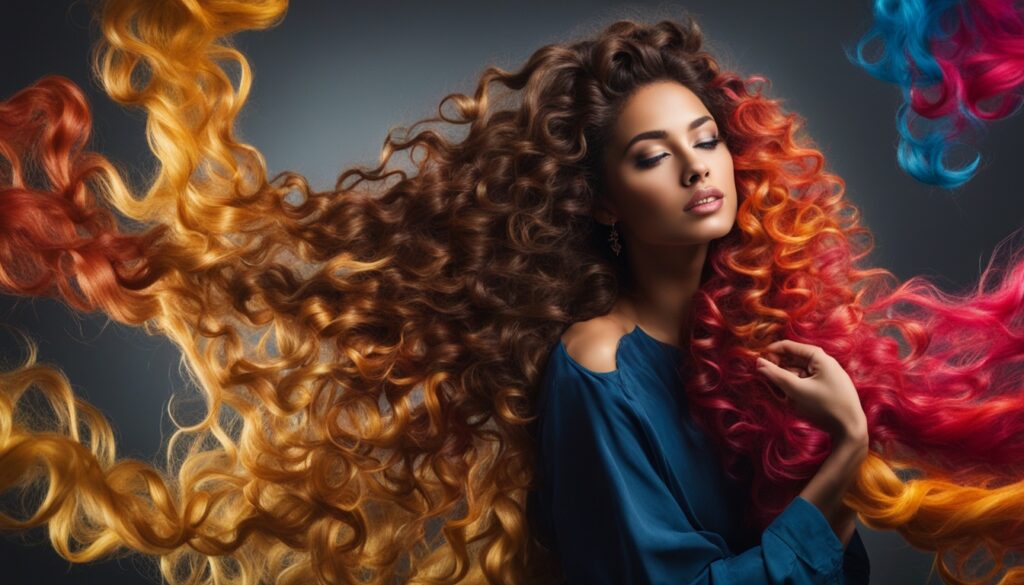
Are you ready to stand out with your curly hair? Vibrant hair colors are a bold and fun choice. You can pick from bright reds, purples, or electric blues. These colors can make your curls pop, adding depth and dimension.

Choosing the Right Vibrant Shade for Your Curl Type

When picking a vibrant shade, think about your curl type and undertones. Some colors work better with certain curls than others. It’s key to find a color that brings out the best in your hair.

For tighter curls, like type 4 coily hair, try rich burgundy or fiery orange. These colors create a striking contrast. If you have looser curls, like type 2 or 3, vibrant pastels like pink, lavender, or mint green work well for a soft, playful look.

Think about your undertones when choosing a color. Warm undertones look great with bold colors like warm reds, oranges, and yellows. Cool undertones work well with vivid blues, purples, and greens. Neutral undertones can go with many vibrant colors, making them versatile.

Maintenance Tips for Keeping Bright Colors Lively

After picking a vibrant color for your curls, take good care of it to keep it bright. Here are some tips to help:

  1. Use color-safe and sulfate-free shampoos and conditioners to prevent color fading.
  2. Avoid excessive heat styling, as high temperatures can cause color to fade more quickly.
  3. Protect your hair from sun exposure by wearing a hat or using UV-protection products.
  4. Consider using color-depositing hair masks or treatments to refresh your vibrant shade between salon visits.
  5. Minimize washing frequency to prevent color loss, and opt for dry shampoo in between washes.

With these tips, you can confidently rock vibrant hair colors for your curls. Embrace your bold side and let your vibrant locks make a statement!

DIY Hair Coloring for Curly Hair: Tips and Tricks

Ready to try DIY hair coloring? It’s a fun way to change up your look at home. With the right tips, you can get great results. But make sure to do it carefully for healthy, beautiful curls.

First, prep your hair for coloring. Do a deep conditioning treatment to make it strong and moisturized. This helps prevent damage and ensures even color. Also, use color-protecting shampoo and conditioner to keep your hair vibrant.

Apply the color in sections, taking your time. This helps you control the dye and avoid unevenness. Use a wide-toothed comb or your fingers to spread the dye from roots to ends.

Be careful with the processing time for curly hair. It absorbs color quickly. To avoid dark or intense color, leave the dye on a bit less than suggested. Watch the color closely and rinse when it’s the right shade.

Choose hair coloring products made for curly hair. They usually have more moisture and conditioning. Pick ones without ammonia or sulfate to keep your curls healthy and bright.

After coloring, take good care of your hair. Use deep conditioners, leave-in conditioners, and hair oils to keep it moisturized. Avoid too much heat styling, and use protectants to keep your curls healthy.

Remember, coloring your own hair takes practice. Don’t worry if it doesn’t turn out right at first. See it as a chance to try new styles and have fun with your hair. With these tips, you’ll get better at DIY hair coloring for your curls.

Choosing the right hair color for curly hair is a personal choice. It depends on many factors. We’ve talked about how your hair’s natural undertones affect the color. We also looked at the latest trends in curly hair color.

It’s important to pick a color that fits your personality and lifestyle. Whether you like natural colors or bold ones, finding the right shade is key. Techniques like balayage and highlights can also make your curls stand out.

If you want to stand out, vibrant hair colors are a great choice. The right shade can change your look. But it’s important to keep the color looking good with the right care.

If you’re thinking of coloring your hair yourself, we have tips to help you. These can make your hair look like it was done at a salon.

In the end, your hair color should show who you are. Think about your undertones, the latest trends, and what you like. This way, you can pick a color that makes your curls look great and shows off your personality.

FAQs

What factors should I consider when choosing a hair color for my curly hair?

When picking a hair color for your curly locks, think about your hair’s natural undertones, the latest trends, and what you like. It’s key to know how your hair’s undertones will look with the dye to get the look you want.

How do I determine the undertones of my curly hair?

To figure out your curly hair’s undertones, look at the base colors. Warm undertones have reddish, golden, or peachy shades. Cool undertones show as bluish, ashy, or violet. Neutral undertones sit between warm and cool.

What are the current trends in hair color for curly hair?

Today’s curly hair color trends focus on boosting volume and texture. Techniques like ombre, balayage, and color melting create full curls. Seasonal colors also follow the latest trends, changing with the year.

How can I match my hair color with my personality and lifestyle?

Matching your hair color with your personality and lifestyle means thinking about your job and style. Choose a color that fits your unique style and tastes.

What are some techniques to add dimension to curly hair?

For curly hair, balayage and highlights are great for adding depth. Balayage works well with curly textures, highlighting your curls’ natural flow. Different highlighting methods can also bring out your curls’ unique patterns.

Are there vibrant hair color options for curly hair?

Yes, vibrant colors are perfect for curly hair to stand out. You can go for vibrant reds or electric blues. Pick a color that suits your curl type and undertones.

What are some tips for DIY hair coloring for curly hair?

If you’re coloring your curly hair at home, here are some tips. Prepare well, apply as instructed, and use quality products. Be careful with DIY coloring to avoid damage and get the look you want.

What are the key takeaways for choosing the right hair color for curly hair?

Choosing the right hair color for curly hair means looking at undertones, trends, and what you like. Keep these in mind to pick a color that makes your curls look great and shows off your personality.

July 19, 2024 0 comments
0 FacebookTwitterPinterestEmail
is chi a good brand
LifestyleBeauty

Is CHI a Good Brand? Exploring Hair Care Quality

by Morgan July 19, 2024
written by Morgan

Did you know that CHI is a top name in the hair care industry? They’re known for their innovative styling tools and quality hair care products. But what makes CHI stand out, and is it a good choice for you?

We’re going to look into CHI and see how good their hair care products are. We’ll check how well CHI products work and what customers say about them. By the end, you’ll know if CHI is a good brand for your hair care needs.

The History of CHI and Its Impact on Hair Care

Exploring CHI’s history helps us see why their products are top-notch. It shows how they’ve changed the hair care game.Founded in 1986 by Farouk Shami, CHI quickly gained a reputation for its innovative hair care products and tools. The brand’s name, CHI, is derived from the Chinese word for energy, which perfectly reflects the company’s commitment to using cutting-edge technology and natural ingredients to revitalize and nourish hair.

One of CHI’s most renowned inventions is their ceramic hairstyling tools, such as flat irons and curling wands. These tools revolutionized the way people styled their hair, as the ceramic plates evenly distributed heat, reducing damage and leaving hair sleek and shiny. Many hair professionals and enthusiasts alike swear by CHI’s ceramic tools, citing their superior performance and durability.

The Origins of CHI: A Brief Overview

CHI started in 1986 by Farouk Shami, a skilled hairdresser and entrepreneur. He wanted to offer professional stylists and customers quality hair care tools. Shami made CHI a brand known for its excellence and focus on making customers happy.

How CHI Revolutionized Hair Styling Tools

CHI changed hair styling with ceramic tools. These tools use advanced ceramic tech. They distribute heat evenly, causing less damage to hair. This innovation made CHI a leader in hairstyling.

Consumer Trust & Brand Longevity

CHI has built trust with hairstylists and customers over the years. Their focus on quality and new ideas makes them a top choice. With a wide product range and a commitment to satisfaction, CHI has many loyal fans in the beauty world.

Understanding CHI’s Product Lineup

CHI is a top choice for high-quality hair care. They focus on innovation and advanced technology. This makes their products perfect for all your hair needs.

Innovative Hair Tools: From Flat Irons to Curlers

CHI is known for its cutting-edge hair tools. These tools help you get salon-quality results at home. Their ceramic flat irons ensure even heat and reduce hair damage.

For different styles, CHI offers curlers and styling wands. These tools have adjustable heat and advanced technology. They make it easy to achieve various looks, from loose waves to tight curls.

CHI Hair Care: Shampoos, Conditioners, and Treatments

CHI believes in starting with healthy hair care. They offer shampoos, conditioners, and treatments for all hair types. Whether your hair is dry or you want to boost shine, CHI has something for you.

CHI’s shampoos clean gently without taking away natural oils. Their conditioners moisturize deeply and make hair easy to manage. For specific hair issues, CHI has treatments like masks and serums. These products help with frizz, color protection, and scalp health.

The Science Behind CHI’s Technology

CHI’s innovation goes beyond just tools and products. They use advanced technology for better performance and results. Their products use ceramic and ionic properties for even heat, less static, and reduced styling damage.

With CHI technology, you can style your hair beautifully without harming it. CHI’s focus on research and development has made them a top choice for professionals and hair lovers.

Is CHI a Good Brand? 

When it comes to hair tools, one brand that often pops up in discussions is CHI. But is CHI a good brand? Well, the answer to that question depends on whom you ask. Some people swear by CHI and rave about its quality and performance, while others have had less-than-satisfactory experiences.

One of the main factors that contribute to CHI’s reputation is its use of ceramic technology. This technology allows the hair tools to evenly distribute heat, resulting in smoother and shinier hair. Many users appreciate this feature and claim that CHI products are gentle on their hair, even when used frequently.

On the other hand, there have been reports of CHI products not lasting as long as expected. Some customers have complained about their hair straighteners or hair dryers suddenly stopping working after a short period. Others have mentioned issues with the cord or buttons getting stuck. These experiences have led some to question the durability and reliability of CHI products.

In the end, whether CHI is a good brand for you will depend on your personal preferences and needs. If you prioritize a high-quality ceramic technology and don’t mind paying a premium price, CHI may be a good fit for you. However, if durability is a crucial factor for you, it may be worth exploring other options. Ultimately, it’s essential to do thorough research and read reviews from multiple sources before making a decision.

CHI customer reviews

Comparing CHI to Other Hair Care Brands in the Market

Price vs. Performance: Is CHI Worth the Investment?

Many people ask if the price of a hair care brand matches its performance. CHI is a top brand that stands out. It often beats other brands in quality and results, making it a smart choice.

Quality Ingredients and Formulations

CHI is known for its high-quality ingredients. These ingredients work well for different hair types and problems. Byrdie says CHI uses safe and effective ingredients. This means CHI products give great results and are good for your hair.

CHI ingredients

Brand Reputation and Consumer Loyalty

CHI is a trusted name in hair care. Both stylists and customers rely on CHI. Shape magazine found CHI has a strong reputation and loyal customers. This shows CHI’s consistent quality and performance.

After looking closely at CHI’s history, products, customer feedback, and how it stacks up against other brands, it’s clear CHI is a top choice for hair care.

CHI has a long history of expertise and a deep commitment to quality hair care products. They’ve changed the game with their innovative hairstyling tools. These tools give you amazing results, whether you want sleek straight hair or bouncy curls.

CHI also offers a wide range of hair care products. These include shampoos, conditioners, and treatments with the latest technology. They’re made to make your hair healthy and look great.

CHI has built a strong reputation thanks to its happy customers. People love the quality, performance, and how it makes them feel. If you’re looking for a hair care brand, CHI is a great choice. See for yourself how it can transform your hair.

FAQs

Is CHI a reputable brand in the hair care industry?

Yes, CHI is a well-known and respected brand in the hair care industry. It has a long history and is trusted by hairstylists and consumers.

What products does CHI offer in their lineup?

CHI offers a wide range of products. This includes innovative hair tools like flat irons and curlers. They also have shampoos, conditioners, and treatments for hair care.

What makes CHI products stand out?

CHI products are known for their advanced technology. This includes ceramic and ionic properties that improve hair health and performance. They also offer professional results at home.

How does CHI compare to other hair care brands in the market?

CHI stands out for its quality, performance, and reputation compared to other brands. However, it’s important to think about price, ingredient quality, and brand loyalty when deciding.

Are CHI products worth the investment?

CHI products are often seen as a good investment because they work well and give lasting results. But, make sure to pick products that fit your hair care needs and budget.

Where can I find customer reviews and feedback on CHI products?

Customer reviews and feedback on CHI products can be found online. Look on retail websites, social media, and beauty forums. These places offer insights from other consumers.

Is CHI suitable for all hair types?

Yes, CHI has products for different hair types and concerns. Whether your hair is curly, straight, fine, or thick, CHI has something designed for you.

July 19, 2024 0 comments
0 FacebookTwitterPinterestEmail
what is the healthiest bread to eat
Food

What is the Healthiest Bread to Eat: Top Nutritious Choices

by Morgan July 17, 2024
written by Morgan

Did you know the average American eats about 53 pounds of bread each year? That’s a lot, considering how it affects our health. Not all bread is the same, and picking the right kind can change everything. We’re going to look into the best bread choices for your health.

There are many types of bread, each with its own health benefits. We’ll cover everything from whole grains to sourdough, which is good for your gut. We aim to show you the diverse bread options that are good for your health.

If you’re on a diet like keto or paleo or just want healthier bread, this guide is for you. We’ll give you the info to choose the best bread for your needs. Get ready to find tasty and healthy bread options that are good for your body and taste great.

The Importance of Choosing Healthy Bread

Choosing the right bread is key to a healthy diet. Bread is a big part of many diets, but not all types are good for you. Knowing the health benefits of different breads helps you make better choices.

So, why pick healthy bread? The kind of bread you eat affects your health. Choosing nutrient-rich bread gives you important vitamins, minerals, and fiber. These help keep your diet balanced.

When picking healthy bread, look for whole grains. Whole-grain bread has bran, germ, and endosperm, giving you lots of fiber, protein, and nutrients.

Also, choose bread high in fiber for health perks. Fiber helps with digestion, keeps weight healthy, and lowers disease risks like heart disease and type 2 diabetes. Fiber-rich bread supports your digestive and overall health.

For people with gluten sensitivities or celiac disease, gluten-free bread is a good choice. Made from grains like rice, quinoa, or almond flour, it’s a safe and healthy option.

By picking healthy bread, you boost your meal’s nutrition and support your health. Next time you’re shopping, read labels, look for whole-grain and high-fiber options, and choose what fits your diet goals.

What is the Healthiest Bread to Eat

Let’s dive into what makes the healthiest bread choice. With so many options, picking the right one can be tough. But, knowing what to look for can help you make better choices for your health.

Whole Grain vs. Whole Wheat: Understanding the Difference

When shopping for bread, you’ll often see whole grain and whole wheat. These terms sound similar but mean different things. Whole grains keep the entire kernel, giving you lots of nutrients and fiber. Whole wheat, on the other hand, keeps the bran and germ but not the whole grain. So, whole grain bread is better for your health.

The Role of Fiber in Bread and Your Health

Fiber is key to bread’s health benefits. It helps with digestion, keeps weight in check, and lowers disease risk. Whole-grain bread is packed with fiber, making it a great diet addition. Choosing fiber-rich bread boosts your health and well-being.

Gluten-Free Options for Sensitive Diets

For those with gluten issues, finding the right bread is hard. Luckily, there are many gluten-free options. Made from grains like rice, quinoa, and tapioca, these breads are tasty and healthy for gluten-free diets. It’s important to try these options to make sure everyone can enjoy healthy bread.

Navigating the Bread Aisle: Labeling and What to Look For

The bread aisle can be overwhelming with so many choices. But knowing how to read labels can help you pick the healthiest bread for you. Let’s look at some tips to make it easier.

1. Organic bread benefits: Choosing organic bread is a good idea. It’s made from grains grown without synthetic fertilizers, pesticides, or GMOs. This means you avoid harmful chemicals and support farming that’s good for the planet.

navigating the bread aisle

2. Label decoding: Bread labels tell you a lot about what’s in the bread. They help you make smart choices. Here are the main things to look for:

  • Nutrition facts: Make sure the serving size, calories, and nutrients match your diet.
  • Ingredient list: Check for whole grains, few additives, and ingredients you recognize.
  • Claims and certifications: Labels like “whole grain” or “certified organic” mean the bread has certain qualities.

3. Avoiding common pitfalls: Be careful not to fall for misleading labels. Some breads look healthy but aren’t. Always check the label carefully.

With these tips, you can easily pick the healthiest bread in the aisle. Always go for whole grains, check the ingredients, and think about organic options for the best nutrition.

Top Choices for Nutrient-Dense Bread

We will look at the best choices for nutrient-dense bread. These options are tasty and good for you. They come in many flavors and are packed with nutrients.

Sprouted Grain Bread: A Wholesome Option

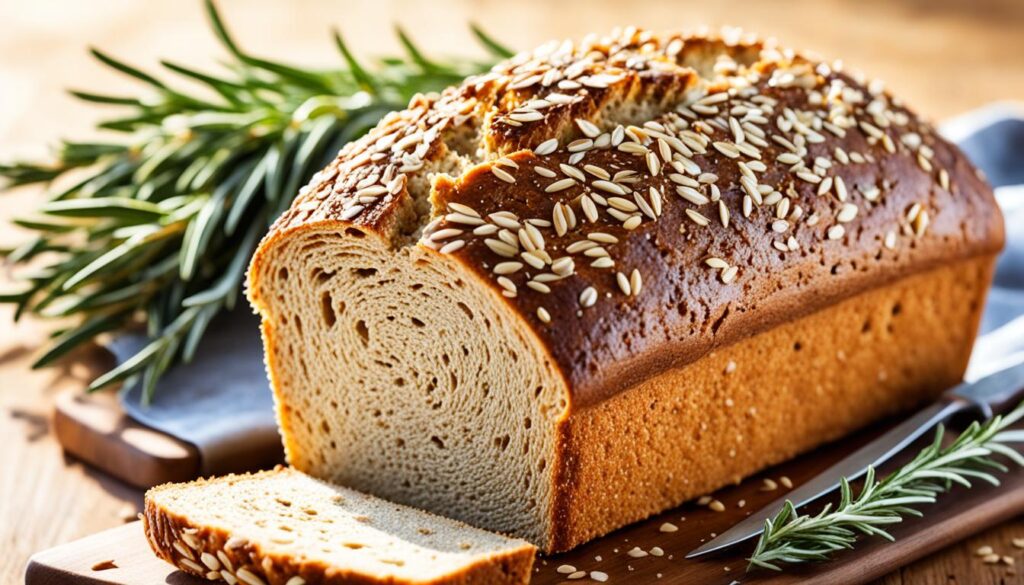
Sprouted grain bread is popular for its great taste and nutrition. It’s made from whole grains that sprout before being turned into bread. This process boosts the bread’s nutrients like B vitamins, fiber, and amino acids.

It also makes the bread easier to digest. Adding sprouted grain bread to your meals can give you energy and support your health.

Sourdough: The Fermented Favorite

Sourdough bread is known for its unique taste and history. The dough ferments, which makes the bread easier to digest. This process also creates lactic acid, giving it a tangy flavor.

Many people with gluten sensitivities prefer sourdough. The fermentation breaks down gluten proteins. Enjoy sourdough for its taste and possible health benefits.

Rye Bread: An Overlooked Gem

Rye bread is made from rye flour and has a special taste. It’s often not chosen as much as other breeds. But it’s full of fiber, vitamins, minerals, and antioxidants.

It’s also good for blood sugar control because of its low glycemic index. Rye bread has lignans, which may help prevent heart disease and some cancers. Try rye bread for its great taste and health perks.

Nutrient-Dense Bread

Explore these nutrient-rich bread options for a tasty and healthy diet. Adding sprouted grain, sourdough, and rye bread can bring variety and nutrients to your meals. Choose these healthy bread options for a delicious and nutritious diet.

Comparing Popular Bread Diets: Keto, Paleo, and Gluten-Free

We will look at three popular bread diets: keto, Paleo, and gluten-free. Each diet has its own rules to help people reach their health goals. Let’s see what makes each diet special and the bread choices they offer.

Keto Diet:

The keto diet is all about eating low-carb, high-fat foods. This puts the body into a state called ketosis, where it burns fat for energy instead of carbs. People on the keto diet like low carb bread to keep carbs low and stay in ketosis. These breads use almond flour or coconut flour, which are full of healthy fats but low in carbs.

Paleo Diet:

The Paleo diet tries to eat like our ancestors from the Paleolithic era. It focuses on whole, unprocessed foods and avoids grains, legumes, and dairy. Paleo followers look for bread made from nuts, seeds, and fruits instead of grains. This way, they can enjoy bread that’s gluten-free and healthy.

Gluten-Free Diet:

Some people need a gluten-free diet because of celiac disease or gluten sensitivity. Gluten-free bread doesn’t have the protein gluten found in wheat, barley, and rye. These breads use rice, corn, or quinoa and gluten-free flour like almond or tapioca. This lets people enjoy tasty bread without health issues.

When picking bread, always check the labels. Make sure it fits your diet and tastes. Whether you’re on a keto, Paleo, or gluten-free diet, there are many healthy and tasty bread choices out there.

Baked In: Understanding the Health Benefits of Homemade Bread

Controlling Ingredients for Optimal Nutrition

Making your own bread is great for your health because you can pick the best ingredients. You can skip the artificial stuff and too much salt or sugar found in store bread. This lets you make bread that fits your diet and tastes.

Using whole grains in your bread means it’s full of fiber, vitamins, and minerals. These nutrients give you energy, help your digestion, and might lower the risk of heart disease and diabetes.

Homemade bread is also good for people with special diets or allergies. You can pick gluten-free flour or avoid allergens. This way, you can make bread that’s just right for you.

The Health Advantages of Sourdough Starters

Trying out sourdough starters is a big plus when making your own bread. Sourdough uses natural yeasts and bacteria to ferment. This not only tastes great but also has health perks.

Sourdough is easier on your stomach because the fermentation process breaks down gluten and starches. It’s also lower on the glycemic index, so it doesn’t spike your blood sugar like other breads do.

How Seeding Your Bread Can Boost Its Benefits

Adding grains and seeds to your homemade bread can make it even healthier. Seeds like flaxseeds, chia seeds, sunflower seeds, or pumpkin seeds are full of nutrients.

These seeds have healthy fats, protein, vitamins, minerals, and fiber. They help with digestion, heart health, and overall well-being. Plus, they make your bread taste and feel better.

Trying different seeds and grains lets you make bread that tastes good to you and is good for you. It’s a win-win.

Learning about homemade bread’s health perks and controlling the ingredients means you can enjoy bread that’s tasty, nutritious, and just right for you. So, why not start making your own bread and see the benefits for yourself?

Choosing the right bread is key to a healthy diet. It helps you get the nutrients you need and boosts your health. By knowing about different bread types and their benefits, you can pick the best for your health.

Whole grain and whole wheat bread are great choices. They are full of fiber and important nutrients. These breads give you energy and help with digestion.

For people who can’t have gluten, there are gluten-free options. This means everyone can find healthy bread to eat.

Sprouted grain bread is packed with vitamins, minerals, and antioxidants. Sourdough bread is made in a special way that helps with digestion and makes nutrients easier to absorb. Rye bread is tasty and full of fiber and minerals.

Homemade bread has big benefits. You can choose what goes into it for the best nutrition. Adding nuts, seeds, or grains to your bread makes it more nutritious and tasty.

By picking wisely, you can find the healthiest bread for your diet. Enjoy eating bread that’s good for you and tastes great.

FAQs

What is the healthiest bread to eat?

The best bread for you depends on your diet and what you like. Whole grain, sprouted grain, and sourdough bread are great choices.

Why is choosing healthy bread important?

Healthy bread is key for your health. It gives you important nutrients, helps your gut, and keeps your diet balanced.

What is the difference between whole grain and whole wheat bread?

Whole grain bread uses the whole grain, including bran, germ, and endosperm. This makes it richer in fiber and nutrients. Whole wheat bread, however, has the germ and bran removed, so it’s not as nutritious.

How does fiber in bread contribute to my health?

Fiber in bread is great for your gut and helps you stay regular. It also lowers the risk of heart disease, diabetes, and some cancers. Plus, it keeps you feeling full, which helps with weight control.

Are there gluten-free bread options available?

Yes, there are many gluten-free bread options for people with gluten issues or celiac disease. These are made from gluten-free grains like rice, quinoa, almond flour, or tapioca starch.

How do I navigate the bread aisle to choose the healthiest bread?

When looking at bread, read the labels for whole grains, no artificial stuff, and organic. Choose bread with more fiber and less sugar for a healthier option.

What are some nutrient-dense bread options?

Look for sprouted grain bread for more nutrients and better digestion. Sourdough bread, with its fermented dough, is good for your gut. Rye bread is packed with minerals and vitamins.

What are some low-carb bread options?

For low-carb diets, try almond flour bread, coconut flour bread, or flaxseed bread. These have fewer carbs but more healthy fats and fibers.

How does homemade bread offer health benefits?

Making your own bread lets you control the ingredients for better nutrition. You can add seeds or whole grains for extra health benefits. Sourdough bread, with its starter, can be even more nutritious and easier to digest.

What should I consider when choosing bread for a healthy diet?

When picking bread for a healthy diet, look for whole grains, high fiber, and a few additives. Choosing organic is also good since it avoids synthetic pesticides and GMOs.

July 17, 2024 0 comments
0 FacebookTwitterPinterestEmail
how to dress 80s with normal clothes
Lifestyle

How to Dress 80s With Normal Clothes?

by Morgan July 17, 2024
written by Morgan

Did you know searches for 80s inspired outfits have jumped by over 200% in the last year? The charm of vintage fashion is stronger than ever. You can easily bring back those retro vibes with clothes you already own.

Many think you need to dig through your mom’s closet or spend a lot on vintage clothes to look 80s. But, with a few smart 80s clothing tips, you can turn your current clothes into retro fashion hits. Just mix high-waisted jeans with colorful, oversized sweaters you likely already have, and you’ve got a vintage look instantly!

From mixing modern and retro styles to finding those hidden gems in your closet, embracing the 80s look doesn’t have to be expensive. Show off your fashion sense and turn your wardrobe into a throwback paradise!

Overview of 80s Fashion Trends

The 80s were a decade full of bold fashion choices and groundbreaking looks. This era’s trends are timeless and still shape today’s styles. If you want to add 80s fashion to your wardrobe, you’ll join a tradition of self-expression and creativity. Incorporating 80s trends into your fashion choices can be a fun and exciting way to stand out from the crowd. The 80s was a decade known for its bold colors, oversized silhouettes, and vibrant patterns. One of the easiest ways to embrace the 80s look is by incorporating statement pieces into your outfits. Think bright neon colors, shoulder pads, and graphic prints. Pairing a neon top with high-waisted jeans or adding a leather jacket with shoulder pads to a simple dress can instantly transport you back to the 80s.

Key Characteristics of 80s Fashion

80s fashion was all about big silhouettes. Think big shoulder pads, large blazers, and big skirts. Bright colors like neon and electric were everywhere, making outfits fun and lively. The era also mixed different textures, from shiny spandex to rough denim.

Designers like Jean-Paul Gaultier, Vivienne Westwood, and Gianni Versace played big roles in 80s fashion. Icons like Madonna and David Bowie wore daring outfits that still inspire today’s fashion lovers.

Why 80s Fashion is Making a Comeback

Nostalgia brings back the 80s fashion trends. Many people enjoy wearing the styles of their youth or exploring the era’s bold looks for the first time. The 80s fashion also stands out from today’s minimalist trends, celebrating more and expressing individuality.

Today’s interest in 80s fashion shows a trend of mixing old and new. By blending modern and vintage pieces, fashion lovers can make unique outfits. These outfits honor the iconic decade while staying up-to-date and fresh.

Find 80s Inspiration in Your Closet

It’s easier than you think to dress 80s with clothes you already have. Start by looking for vintage items in your closet. Search for pieces with shoulder pads, sequins, and bold prints. These were key to the 80s style.

A simple walk through your closet might show you have pieces that fit the 80s look. You might find items that perfectly capture the spirit of retro fashion and 80s style.

Identifying Vintage Pieces

When searching for vintage in your wardrobe, focus on specific features. Look for:

  • Shoulder Pads: Jackets and blazers from the 80s often had big shoulder pads. These can make even simple outfits stand out.
  • Sequins: Sequined dresses, tops, or blouses were the height of 80s glamour. Great for a night out or a themed party.
  • Bold Prints: Search for bright geometric patterns, florals, and animal prints. These can make any outfit feel like it’s from the 80s.

Combining Modern and Retro Styles

Combining the 80s style with modern clothes doesn’t mean wearing only vintage clothes. Pair bold prints or sequined tops with modern jeans or skirts. Add modern accessories to give your retro look a fresh twist. This way, you stay stylish while embracing 80s fashion.

This mix of old and new makes your outfit both nostalgic and current. It’s a great way to wear 80s outfit ideas today.

How to Dress 80s with Normal Clothes

Creating an 80s costume with everyday items is easier than you might think. With a few tweaks to your current wardrobe, you can easily replicate the iconic styles of the decade. Here are some simple yet effective ways to start dressing like the 80s using normal clothes:

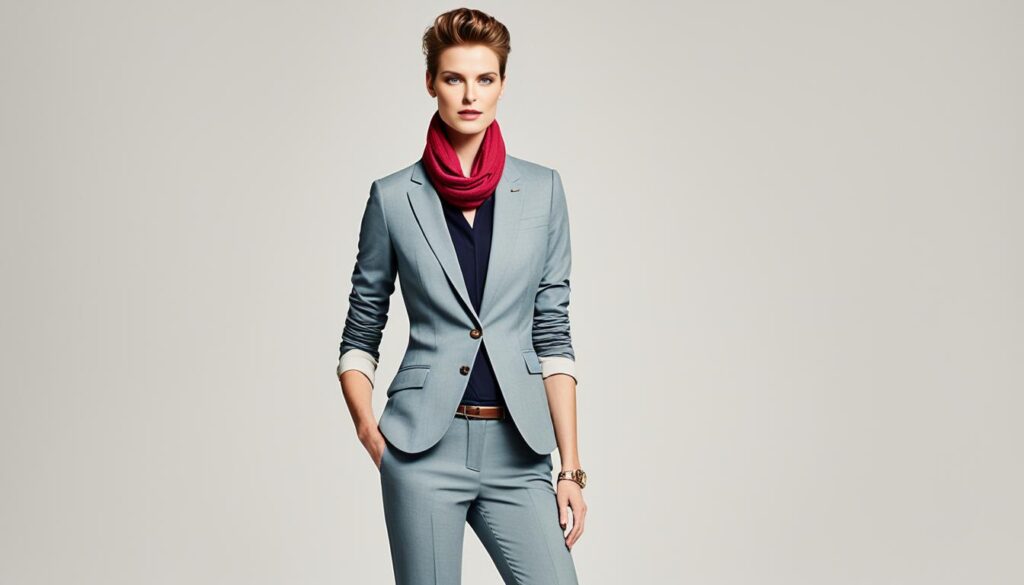
  • Roll-Up Blazer Sleeves: One signature 80s look involves rolling up the sleeves of your blazers. Doing this with any blazer in your closet can instantly give you that casual yet stylish vibe reminiscent of the 80s.
  • Add a Wide Belt: Wide belts were a staple in the 80s. Cinch the waist of any dress or oversized shirt using a wide belt to create a flattering, vintage silhouette.
  • Layering: Layers were paramount in 80s fashion. To achieve that distinctive 80s style, try layering a tank top over a turtleneck or adding a vest over a shirt.
  • Accessorize with Bangles and Chains: No 80s outfit is complete without accessories, and bangles and thick chains were particularly popular. Raid your jewelry box and stack up those bracelets and necklaces.
  • Bright Colors and Bold Patterns: Don’t shy away from loud colors and bold patterns. Incorporating neon hues or animal prints found in your wardrobe can dramatically tilt your look toward the 80s dynamic.

By focusing on these key elements, you are well on your way to dressing like the 80s without having to invest in a new wardrobe. Embrace the decade’s bold, experimental spirit, and have fun creating an 80s costume with everyday items you already own.

Layering for an 80s Look

Layering was key in 80s fashion. It was perfect for both theme parties and everyday outfits. By adding 80s trends to your wardrobe, you can easily get a cool, retro style.

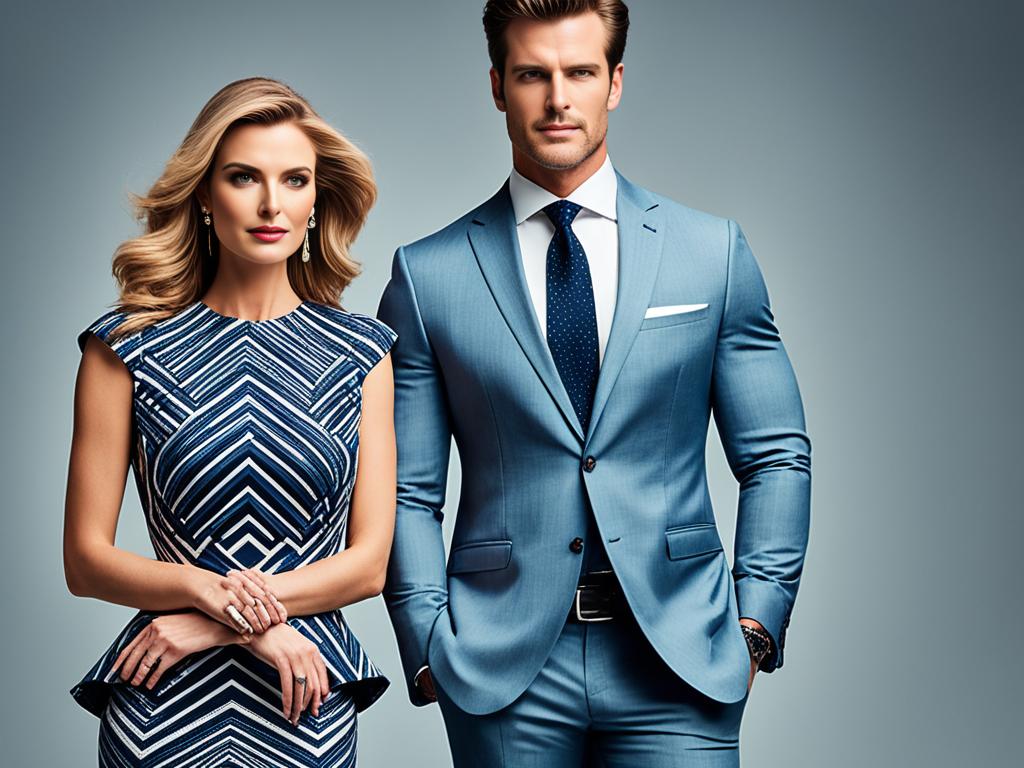
outfit ideas for 80s theme

Using Jackets and Blazers

Layering jackets and blazers was a big part of the 80s style. Imagine wearing a leather jacket over a bright sweater or a denim blazer with a graphic tee. Movies like “The Breakfast Club” and TV shows like “Miami Vice” showed off layered looks. These pieces are essential for anyone wanting to rock the 80s style.

The Popularity of Layered Shirts

Layered shirts were a big deal in the 80s. Stars like Madonna and Michael Jackson made them popular. Today, try pairing a turtleneck with a button-down shirt or layering oversized shirts in different patterns. This look fits the 80s theme and lets you mix old and new styles.

Adding a denim vest over a plaid shirt or sweater makes your outfit even more 80s-like.

Choosing the Right 80s Colors and Patterns

Understanding 80s colors and patterns is key to making 80s inspired outfits. The 80s were bold and vibrant, leaving a mark on fashion. With the right knowledge, you can bring this iconic style back to your wardrobe.

Neon and Bright Hues

Neon and bright hues were big in the 80s. Colors like electric blue, hot pink, neon green, and bright yellow were everywhere. These colors were for everyday wear, not just special events. To add a retro touch, try neon accessories or statement pieces like jackets or leggings.

Patterns from the 80s Era

The 80s loved bold patterns. Geometric shapes like triangles and zigzags were huge, appearing on dresses and blazers. Animal prints, including leopard and zebra, added a wild touch. Abstract designs, with their colorful and asymmetrical patterns, were also popular.

To get that 80s look, mix and match these patterns. Layer a geometric jacket over an animal print shirt, or wear abstract-patterned pants with a neon top. The main thing is to have fun and be bold with your choices.

By adding these 80s colors and patterns to your wardrobe, you can easily capture the vibrant energy and unique style of the decade.

Accessorize to Enhance Your 80s Outfit

Accessories were key to the bold style of the 1980s. To complete your 80s look, add iconic pieces to your outfit. Here are some retro fashion tips to help you.

80s accessory trends

Chunky Jewelry: Big, bold jewelry was popular. Think oversized hoop earrings, thick bangles, and statement necklaces. These pieces make a statement. Make sure they complement your outfit without taking over.

Leg Warmers: Leg warmers were a big part of 80s accessory trends. They add a sporty vibe to any outfit. Pair them with mini skirts and leggings for a fun look. They come in vibrant colors to keep your outfit lively.

Scrunchies: Scrunchies are a must-have for an 80s look. They add a playful touch to your hair. You can match or contrast various fabrics and colors with your outfit.

  • Neon Colors: Neon accessories like scrunchies and jewelry can make your outfit pop.
  • Oversized Sunglasses: Big sunglasses were all the rage. They add a touch of luxury to your look.
  • Fingerless Gloves: Fingerless gloves give an edgy, rock-star feel. Choose leather or lace for that 80s look.

With these retro fashion tips, you can mix and match 80s accessories to boost your style. By picking the right accessories, you can bring the 1980s into your wardrobe.

Incorporate 80s Denim Trends

Denim was a big deal in the 80s. From acid-washed jeans to oversized jackets, 80s denim is back in style. Here’s how to add some 80s flair to your clothes today.

High-Waisted Jeans

High-waisted jeans were key in the 80s. Pair them with a modern crop top or a tucked-in blouse for an 80s look. This mix honors the 80s while keeping your style up-to-date.

Denim Jackets and Skirts

Denim jackets and skirts were big in the 80s too. Try an oversized, acid-washed jacket or a mini denim skirt in your outfits. Mix them with other retro pieces for a cool, trendy look.

Denim is versatile and a must-have for any wardrobe. Use it to blend the 80s style with today’s fashion. This way, you’ll have a wardrobe that’s both nostalgic and stylish.

Footwear That Complements the 80s Style

The 80s was a decade full of vibrant and fun footwear styles. If you want to add 80s flair to your outfits, start with high-top sneakers. These shoes, with their bright colors, go well with jeans or skirts for a cool 80s look.

Jelly shoes were also big in the 80s. They’re known for their clear, sparkly look. These shoes work well with both casual and fancy outfits, adding a vintage touch to your style. You can match them with retro dresses or cropped pants.

Pumps with ankle socks were a big deal in the 80s, too. This combo adds a stylish yet fun vibe to your outfit. For this look, pick pumps in bright colors or patterns and wear them with different socks. Update this retro style with modern clothes that still keep the vintage feel.

  • High-Top Sneakers: Great for pairing with jeans or skirts.
  • Jelly Shoes: Perfect for adding a vintage touch to various outfits.
  • Pumps with Ankle Socks: Chic look that can be modernized.

Retro Hairstyles to Complete the Look

Rocking an 80s-inspired outfit? Your hair can make all the difference. Big, bold styles and eye-catching hair accessories were key in the 80s. Here are some tips to get the perfect retro hairstyle for your vintage look.

Big and Bold Hair

The 80s were all about volume. So, don’t be afraid to go big with your hair. Start by using a volumizing mousse or spray on damp hair. Then, blow-dry your hair upside down for extra lift at the roots.

For classic 80s curls, use a curling iron with a small barrel in small sections. Tease your hair at the crown for more height. Finish with hairspray to keep the style in place.

Using Hair Accessories

Hair accessories were big in the 80s. Headbands, scrunchies, and oversized bows can still add a retro touch to your look. Look for neon-colored headbands or patterned scarves to tie around your head.

Scrunchies are back and great for high ponytails or messy buns. For a polished look, an oversized bow can add a fun yet chic touch to your hairstyle.

With these fashion tips for vintage looks, you can easily recreate iconic 80s hairstyles. So, go ahead and show off the bold and playful spirit of the 80s with your retro hairstyles.

Embracing 80s fashion doesn’t mean you need to change your whole wardrobe. This guide shows you how to turn your everyday clothes into 80s treasures. Just look for vintage pieces in your closet, learn how to layer them, and pick colors and patterns that scream 80s.

To dress 80s with normal clothes, mix retro with modern styles. Accessories are key to making your 80s outfit pop. Adding denim and the right shoes will make your look complete. A retro hairstyle will finish off your outfit and make it stand out.

Most importantly, have fun trying out different styles. The 80s were all about being bold and expressing yourself. Whether you’re revisiting old trends or discovering them for the first time, enjoy finding that perfect mix of old and new. Now, go out there and show off your unique style!

July 17, 2024 0 comments
0 FacebookTwitterPinterestEmail
what do groundhogs like to eat
Food

What Do Groundhogs Like to Eat: A Tasty Guide

by Morgan July 17, 2024
written by Morgan

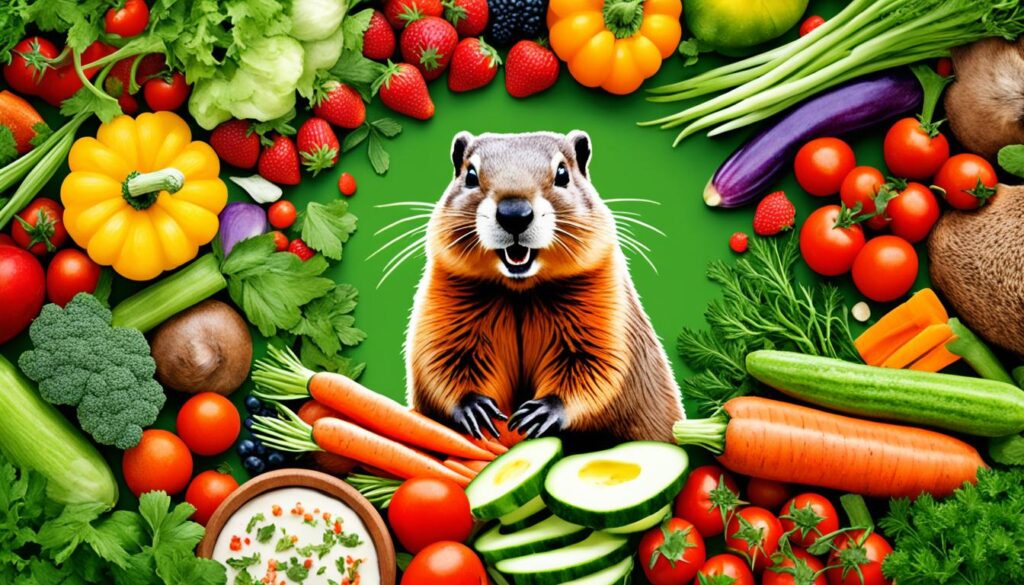
Did you know groundhogs eat up to one-third of their body weight daily? This fact makes knowing what they like to eat crucial for their health and our gardens. We’ll explore their favorite foods, showing how they affect their health and the environment.

Learning about groundhog diets is key for those interested in their behavior and how they affect the environment. Groundhogs, also known as woodchucks, are mainly plant-eaters. They like a wide variety of plants.

Overview of Groundhog Feeding Habits

Groundhogs eat a mix of grasses, plants, fruits, and veggies. They usually eat during the day, especially in the morning and late afternoon. Their eating habits change with the seasons, based on what’s around them. Knowing about their eating habits helps protect gardens and crops.

Why Knowing What Groundhogs Eat is Important

Knowing what groundhogs like to eat can benefit gardeners and homeowners. This knowledge allows them to protect their gardens and helps keep the ecosystem balanced so groundhogs and plants can live together well.

What Do Groundhogs Like to Eat

Groundhogs have interesting eating habits. They prefer certain plants and forage in unique ways, changing with the seasons.

Common Plants in a Groundhog’s Diet

Groundhogs eat a variety of foods, but they like some plants more than others. They often eat:

  • Grasses and clover
  • Alfalfa
  • Dandelions
  • Garden vegetables like lettuce, carrots, and beans

These plants are a big part of their diet. They love fresh, green foods.

Groundhog Foraging Patterns

Groundhogs forage in a specific way. They dig burrows near food sources to save time. In the early morning and late afternoon, they’re out eating their favorite plants.

groundhog foraging patterns

Seasonal Changes in Groundhog Food Preferences

Groundhogs change what they eat with the seasons. In spring and summer, they eat lots of fresh greens and veggies. But as fall comes, they start eating more fruits, grains, and nuts. This helps them get ready for hibernation.

This change in diet makes sure they have enough fat for winter.

Groundhog Food Preferences

Groundhogs love to eat a variety of foods. Knowing what they like helps you manage their impact on your garden.

Preferred Vegetables and Greens

Groundhog meal choices often include vegetables and greens. They especially like tender, leafy greens. Your garden might become a favorite spot with foods like:

  • Lettuces
  • Kale
  • Spinach
  • Beans
  • Peas
  • Broccoli

Adding these preferred foods for groundhogs can attract these furry visitors to your garden.

Groundhog Food Preferences

Fruits That Groundhogs Enjoy

Groundhogs also enjoy sweet fruits. Some top choices include:

  • Apples
  • Pears
  • Plums
  • Peaches
  • Berries

If you have fruit plants or trees, groundhogs might come to your yard for these treats.

Grains and Seeds in a Groundhog’s Diet

Grains and seeds are also part of their diet. They provide important nutrients. Groundhogs often eat:

  • Oats
  • Wheat
  • Sunflower seeds

These foods help ensure they have a balanced diet in their natural habitats.

Understanding groundhog meal choices helps you manage their impact on your garden.

Groundhogs and Human Gardens

Groundhogs, also known as woodchucks, can be both a delight and a problem in gardens. They love to eat a variety of plants found in gardens. This includes everything from vegetables to leafy greens.

Knowing how groundhogs behave can help you deal with them. They mainly eat plants and love tender veggies and greens. Favorites include lettuce, beans, peas, and broccoli.

Feeding groundhogs in the wild might seem like a good idea, but it could lead to more problems. It might make them visit your garden more often. This could harm your plants and crops. To reduce their impact, you can try these steps:

  • Fencing: A tall, strong fence can keep groundhogs out.
  • Repellents: Use natural or store-bought repellents to make your garden less inviting.
  • Plant Selection: Choose plants that groundhogs don’t like, like flowers or tough greens.

Using these methods can help you and groundhogs live in harmony. It protects your garden and respects the animals’ natural ways. So, while you might want to feed them, managing their garden visits is key to avoiding damage.

Groundhog Nutritional Needs

It’s important to know what groundhogs need to eat to stay healthy. They need a mix of nutrients to stay active and support their daily life. We’ll look at the key nutrients and how to balance their diet.

Essential Nutrients for a Healthy Groundhog

Groundhogs need vitamins, minerals, and other nutrients to be healthy. These come from fruits, veggies, and greens they find in the wild. Vitamins A, C, and B-complex are important for their health.

Calcium, phosphorus, and magnesium help with strong bones and muscles. Fiber is key for their digestion, and water keeps them hydrated and supports their metabolism.

Balancing Groundhog Meals

Feeding groundhogs right is more than just offering many foods. It’s about making sure they get all the nutrients they need. They naturally eat a variety of foods to get what they need.

They eat leafy greens, berries, nuts, and grains. Changing what they eat throughout the year helps prevent nutrient shortages. Watching wild groundhogs can teach us how they balance their diets.

Groundhog Foraging Patterns and Their Impact

Groundhogs play a big role in their ecosystems through their foraging habits. By studying how they interact with their surroundings, we can see the delicate balance they keep in their habitats.

Impact on Local Ecosystems

Groundhogs have both good and bad effects on ecosystems. They improve soil health by digging burrows. But, they also eat plants, which can lead to deforestation and less plant variety. This shows how complex their role is in nature.

Groundhog Interaction with Other Wildlife

Groundhogs are key to the ecosystem because of their relationships with other animals. They are food for foxes and hawks, helping the food chain. Their burrows are homes for rabbits and snakes, showing how important they are for other species.

These interactions affect many species and behaviors in the ecosystem. It shows how groundhogs play a big part in nature.

Groundhogs play a big role in their ecosystems with their eating habits. They love to eat vegetables, fruits, grains, and greens. These foods change with the seasons, showing how adaptable their diet is.

Groundhogs affect the environment and farms a lot. They help other animals and plants grow. But, they can sometimes eat too much in gardens. With the right knowledge, we can live with them peacefully.

Understanding what groundhogs eat is key for everyone. This guide has shown us what they like to eat. It helps us appreciate these animals more and respect their place in nature. With this knowledge, we can live better with groundhogs.

FAQs

What are the favorite foods of groundhogs?

Groundhogs love to eat clover, dandelions, and alfalfa. They also enjoy vegetables and fruits from gardens.

Why is it important to understand groundhog feeding habits?

Knowing what groundhogs eat helps us manage their impact on our gardens. It also helps us understand their role in nature and their nutritional needs.

What types of food do groundhogs typically eat?

Groundhogs eat grasses, leaves, flowers, and bark. They also eat crops and garden plants like lettuce, beans, and carrots.

How do groundhog foraging patterns change with the seasons?

In spring and summer, groundhogs eat a lot of fresh greens and veggies. In fall, they eat more fruits and grains to get ready for hibernation.

What vegetables and greens do groundhogs prefer?

Groundhogs like vegetables and greens like lettuce, spinach, peas, and beans. They look for these in gardens.

What fruits are commonly found in a groundhog’s diet?

Groundhogs eat fruits like berries, apples, and pears. These fruits are important for their diet.

Do groundhogs eat grains and seeds?

Yes, groundhogs eat grains and seeds. They find grains in farmlands and seeds in various plants.

How do groundhogs affect human gardens?

Groundhogs can damage gardens by eating vegetables and plants. Their digging can also harm the soil and roots, affecting crops.

What are the essential nutrients for a healthy groundhog?

Groundhogs need a diet full of proteins, vitamins, and minerals to stay healthy. They get these from plants, vegetables, fruits, and seeds.

How do groundhogs naturally balance their meals?

Groundhogs find a variety of foods to eat, making sure they get all the nutrients they need. They eat based on what’s available seasonally.

What is the impact of groundhog foraging on local ecosystems?

Groundhog foraging affects plants and soil. Their eating habits help spread seeds and shape plant patterns, keeping the ecosystem balanced.

How do groundhogs interact with other wildlife?

Groundhogs compete with other animals for food and create homes through their burrows. They are important in their ecosystems and affect other animals’ presence.

July 17, 2024 0 comments
0 FacebookTwitterPinterestEmail
what to eat with fried rice
Food

What to Eat with Fried Rice: Tasty Pairings

by Morgan July 17, 2024
written by Morgan

Do you know that over 1.5 billion people enjoy fried rice daily? It’s a global hit, but finding the right pairings can make your meal even better.

Fried rice meal ideas vary from classic to new fusion dishes. Whether you want something with protein or lots of veggies, there are many tasty options.

This guide will show you the best foods to eat with fried rice. We’ll cover everything from traditional dishes to unique flavor mixes. Get ready to take your fried rice to the next level.

The Art of Pairing Foods with Fried Rice

Fried rice is a versatile dish that can be made better with the right foods. To make tasty fried rice, know about flavors, textures, and get ideas from different cultures.

Understanding Flavor Profiles

Think about the five basic tastes when picking foods to go with fried rice: sweet, salty, sour, bitter, and umami. A good meal has a mix of these flavors for a great taste. For instance, pair sweet and sour chicken with savory fried rice for a classic taste.

Balancing Textures in Your Meal

Texture is key in fried rice pairings. Mix crispy egg rolls with soft fried rice for a nice contrast. Add crunchy veggies or nuts to your fried rice for more texture. Try different foods with fried rice to find what you like best.

Cultural Influences on Fried Rice Pairings

Fried rice goes well with different foods from around the world. In China, it’s often with sweet and sour pork or kung pao chicken. In Japan, it’s great with teriyaki-glazed meats. In Thailand, it’s perfect with spicy curries. Try these ideas to find new fried rice pairings.

  • Chinese: Sweet and sour pork, kung pao chicken
  • Japanese: Teriyaki-glazed meats
  • Thai: Spicy curries

By following these tips, you can make amazing fried rice dishes that will delight your taste buds and open up new food adventures.

What to Eat with Fried Rice: Popular Protein Options

Fried rice is a versatile dish that goes well with many proteins. Adding protein makes your fried rice more balanced and tasty. Here are some popular protein options you can try at home.

Chicken is a classic choice for fried rice. Its mild taste goes well with the rice. Dice chicken breast into small cubes and stir-fry it with your favorite seasonings before mixing it into the rice.

Shrimp is another great protein for fried rice. Its sweet, delicate taste adds a seafood twist. Cook the shrimp quickly to prevent overcooking, then toss them into your fried rice just before serving.

For a vegetarian option, try tofu as a topping. Firm tofu can be cubed and pan-fried until crispy on the outside. This adds a satisfying texture contrast to the soft rice.

  • Beef: Thinly sliced and stir-fried for a hearty addition
  • Pork: Diced ham or bacon for a salty, savory flavor
  • Eggs: Scrambled or fried, a budget-friendly protein option
  • Tempeh: A plant-based protein with a nutty taste

Try different fried rice protein options to find your favorite. Remember to adjust your seasoning based on the protein you choose. This ensures a harmonious blend of flavors in your fried rice dish.

Vegetable Side Dishes That Complement Fried Rice

Fried rice vegetable pairings can take your meal to new heights. The right side dishes add color, nutrition, and flavor. Let’s explore some tasty options that will make your fried rice even more delightful.

Stir-fried Vegetables

Stir-fried veggies are a classic choice for fried rice side dishes. You can mix bell peppers, carrots, and snap peas for a crunchy texture. Toss them in a hot wok with garlic and ginger for an aromatic blend that complements your fried rice perfectly.

Fried rice vegetable pairings

Steamed Greens

For a lighter option, try steamed greens as a side dish for fried rice. Bok choy, Chinese broccoli, or spinach work well. These veggies retain their nutrients and offer a refreshing contrast to the savory fried rice. A drizzle of sesame oil enhances their flavor.

Pickled Veggies for Added Zing

Pickled vegetables bring a tangy kick to your fried rice meal. Try Korean kimchi, pickled cucumbers, or daikon radish. These zesty sides cut through the richness of fried rice and cleanse your palate between bites. The acidity pairs wonderfully with the savory notes of the dish.

By incorporating these fried rice side dishes, you create a balanced and exciting meal. Mix and match these vegetable pairings to discover your favorite combination. Your taste buds will thank you for the variety and flavors these sides bring to the table.

Sauces and Condiments to Enhance Your Fried Rice Experience

Fried rice is a versatile dish that can be taken to new heights with the right sauces and condiments. Let’s explore some fried rice sauce complements that will elevate your meal.

Fried rice condiments

Soy sauce is a classic choice for fried rice. Its savory umami flavor adds depth to the dish. For a spicy kick, try adding sriracha or chili oil. These fried rice condiments will give your meal a fiery twist.

If you’re looking for unique fried rice condiment suggestions, consider these options:

  • Oyster sauce for a rich, slightly sweet flavor
  • Hoisin sauce for a tangy-sweet taste
  • Fish sauce for a salty, umami boost
  • Sweet chili sauce for a balance of heat and sweetness

For a fusion twist, try drizzling teriyaki sauce or adding a dollop of gochujang. These unexpected fried rice sauce complements can transform your dish into a culinary adventure.

Experiment with homemade sauces or explore store-bought options to find your perfect fried rice condiments. Remember, a little goes a long way, so start with small amounts and adjust to taste.

International Dishes That Pair Well with Fried Rice

Fried rice is a versatile dish that goes well with many international flavors. Let’s look at some exciting fried rice combinations from around the world.

Asian-inspired Accompaniments

Asian cuisines offer classic fried rice pairings. Try serving your fried rice with crispy spring rolls or savory dumplings. For a Thai twist, pair it with spicy green curry or tangy pad Thai. These combinations create a satisfying and flavorful meal.

Fusion Pairings from Around the World

Explore fusion fried rice meal ideas that blend different culinary traditions. Serve fried rice alongside Mexican-inspired dishes like fajitas or enchiladas for a unique taste experience. You can also try pairing it with Indian butter chicken or Greek souvlaki for an unexpected but delicious mix of flavors.

Unexpected but Delicious Combinations

Don’t be afraid to experiment with unusual fried rice pairings. Try serving it with:

  • Barbecue ribs for a Southern-Asian fusion
  • Ratatouille for a French-inspired vegetarian option
  • Stuffed bell peppers for a Mediterranean twist

These unexpected combinations can produce exciting new flavor discoveries and expand your fried rice repertoire.

Fried rice is a versatile dish that opens up a world of delicious pairing possibilities. You can mix and match different flavors and textures to create exciting fried rice meal ideas. This makes it easy to find the perfect combination for any taste.

Try adding grilled chicken or tofu for protein, or serve it with stir-fried vegetables for a complete meal. Don’t forget to experiment with sauces and condiments to enhance the flavors even further.

Whether you stick to traditional Asian-inspired accompaniments or venture into fusion territory, fried rice offers endless opportunities to create satisfying meals. Let your taste buds guide you as you discover new and exciting ways to enjoy this beloved dish. With so many delicious options, you’re sure to find the perfect fried rice pairings for every occasion.

FAQs

What are some popular protein options to pair with fried rice?

Delicious proteins like chicken, shrimp, beef, tofu, and tempeh go great with fried rice. You can stir-fry, grill, or mix them right into the rice for a filling meal.

What vegetable side dishes complement fried rice well?

Stir-fried veggies, steamed greens like bok choy or broccoli, and pickled veggies like carrots or radishes are perfect with fried rice. They add different textures and tastes that balance the fried rice’s richness.

What sauces and condiments can enhance the flavor of fried rice?

Sauces like soy sauce, chili oil, oyster sauce, hoisin sauce, and sriracha are great for fried rice. You can also try teriyaki sauce, chimichurri, or pesto for a twist.

Are there any international dishes that pair well with fried rice?

Yes! Traditional Asian dishes like stir-fried veggies, egg rolls, or dumplings go well with fried rice. But, you can also try fajitas, curries, or Mediterranean salads for a mix of flavors.

What are some tips for balancing flavors and textures when pairing foods with fried rice?

Think about the flavors of your sides – balance the rich fried rice with fresh, tangy, or spicy tastes. Mixing different textures, like crunchy veggies, soft proteins, and crispy toppings, makes for a tasty meal.

July 17, 2024 0 comments
0 FacebookTwitterPinterestEmail
what not to eat with braces
HealthFood

What Not to Eat with Braces: Foods to Avoid

by Morgan July 17, 2024
written by Morgan

Did you know that 4 million Americans wear braces at any given time? With so many people getting orthodontic treatment, knowing what to eat is key. Following the right diet is important for keeping your braces safe and your treatment successful.

Choosing the right foods with braces can be hard. This guide will show you what foods to avoid and offer tasty alternatives. We’ll cover everything from hard candies to sticky snacks. By following these tips, you can keep your smile healthy and your treatment on track.

Understanding Braces and Dietary Restrictions

Braces help make your smile straighter. What you eat is key to your treatment’s success. Let’s look at how braces work and why some foods are off-limits. Orthodontic treatment involves using braces to gradually shift teeth into their proper positions. Braces consist of metal brackets and wires that apply gentle pressure to the teeth, guiding them into alignment. However, to ensure their effectiveness, it’s important to understand and follow orthodontic diet restrictions.

How Braces Work

Braces use gentle pressure to move your teeth into the right spot. They have brackets, wires, and sometimes rubber bands. As your teeth move, your jaw bones also change to support them. When you get braces, it’s important to be mindful of your diet. Certain foods can be problematic and may damage your braces, leading to costly repairs and potential setbacks in your treatment. This is why it’s crucial to follow a braces diet and avoid brace-no-no foods.

Why Some Foods Are Problematic

Some foods can harm your braces or slow down treatment. Hard foods might break parts of your braces. Sticky foods can get stuck, causing discomfort and making treatment longer.

Importance of Following Dietary Guidelines

Following the recommended diet is crucial for your braces. Avoiding certain foods helps protect your braces and keeps your treatment on schedule. Foods to avoid include:

  • Hard candies and nuts
  • Sticky caramels and gum
  • Popcorn and hard pretzels
  • Whole apples and raw carrots

Being careful with your diet helps keep your braces in good shape and speeds up your smile’s transformation.

Hard and Crunchy Foods to Avoid

Crunchy foods to avoid with braces

When you have braces, you’ll have to say no to some crunchy snacks. Foods like popcorn, nuts, and others can harm your braces. They might break brackets, bend wires, or get stuck, causing pain and damage.

Here’s a list of crunchy foods you should avoid while wearing braces:

  • Popcorn (including unpopped kernels)
  • Nuts (almonds, peanuts, cashews)
  • Hard candies
  • Ice cubes
  • Raw carrots and apples
  • Corn chips and pretzels

Eating these foods can make your braces break or shift. This might mean more visits to the orthodontist and longer treatment. Instead, choose softer foods like smoothies, mashed potatoes, or steamed veggies.

Keeping your braces safe is important for a perfect smile. Avoiding crunchy foods and choosing gentle options helps keep your treatment on track. Your future smile will be worth the effort!

Sticky and Chewy Foods That Can Damage Braces

Braces need special care, especially with food choices. Some sticky and chewy foods can harm your orthodontic work. Let’s look at what to avoid and tasty alternatives.

Candies and gums to steer clear of

Chewy foods like caramel and taffy are big problems. They can pull brackets off teeth or bend wires. Gum is also a bad choice. It sticks to braces and is hard to remove.

Chewy foods to avoid with braces

Chewy snacks that pose risks

Be careful with these treats:

  • Fruit snacks
  • Gummy bears
  • Licorice
  • Marshmallows

These snacks can get stuck in your braces, causing decay and stains.

Alternatives to satisfy your sweet tooth

Don’t worry! You can still enjoy sweets with braces. Here are some good choices:

  • Soft chocolate (without nuts)
  • Ice cream (without mix-ins)
  • Smoothies
  • Pudding

Remember, eat in moderation. Brush and floss after eating to keep your braces and teeth clean. With these options, you can enjoy sweets without harming your braces.

What Not to Eat with Braces: Foods to Avoid

When you have braces, picking what to eat is more important. Some foods can hurt your braces or get stuck in them. This can cause pain and problems with your orthodontic treatment. Let’s look at foods to avoid and snacks that could damage your braces.

  • Nuts and seeds
  • Popcorn
  • Hard candies
  • Ice cubes
  • Raw carrots and apples

Sticky and chewy foods are also bad news. They can get stuck in your braces and are hard to clean. Here are some foods to skip:

  • Caramel
  • Gum
  • Taffy
  • Licorice
  • Chewy candies

Food high in acid and sugar can cause cavities and stains. While you have braces, eat less of these:

  • Sodas and energy drinks
  • Citrus fruits
  • Sugary snacks

Avoiding these foods and snacks helps protect your braces. It also makes your treatment smoother. Always brush and floss your mouth with braces to keep it clean.

Beverages and Eating Habits to Be Mindful Of

When you’re on a braces-friendly diet, watch what you drink and how you eat. Some drinks and eating habits can affect your braces and teeth.

Sugary and Acidic Drinks

Sugary and acidic drinks can be bad for your teeth and braces. Drinks like sodas, sports drinks, and fruit juices have lots of sugar and acid. These can cause cavities and wear down your enamel. It’s best to drink water or milk instead.

The Importance of Using a Straw

If you do have sugary or acidic drinks, use a straw. This way, the drink goes around your teeth less. It helps protect your braces and enamel from damage.

Proper Cleaning After Meals

Keeping your mouth clean is key for a braces-friendly diet. Clean your teeth right after meals to get rid of food stuck in your braces. Use interdental brushes or water flossers for tough spots. Then, rinse with mouthwash to kill germs and freshen your breath.

  • Brush after every meal.
  • Use interdental brushes
  • Rinse with mouthwash

Being careful with your drinks and eating habits helps protect your braces and keeps your mouth healthy during orthodontic treatment.

Following a braces-friendly diet is key for good orthodontic treatment. Avoiding hard, crunchy, sticky, and chewy foods helps protect your braces. This diet change is important for your oral health in the long run.

Your diet doesn’t have to be dull. There are many tasty foods that won’t damage your braces. Try soft fruits, cooked veggies, and tender meats for meals that are both fun and healthy. With a little creativity, you can eat well and keep your braces safe.

Good oral care is also important, along with a braces-friendly diet. Brushing after meals, using a straw for sugary drinks, and skipping harmful snacks help your orthodontic treatment. By doing these things, you’re working towards a beautiful, healthy smile that will stay with you even after your braces are gone.

FAQs

What types of foods should I avoid while wearing braces?

Avoid hard, crunchy, sticky, and chewy foods that can harm your braces. Foods like popcorn, nuts, hard candies, caramel, taffy, gum, and chewy snacks are off-limits.

Why is it important to follow dietary guidelines with braces?

Following dietary guidelines with braces helps protect your orthodontic work and keeps your mouth healthy. Eating the wrong foods can bend wires, break brackets, or get stuck in your braces. This can make your treatment longer or cause pain.

Can I drink sugary or acidic beverages with braces?

Limit sugary and acidic drinks with braces to avoid tooth decay and enamel erosion. If you do drink these, use a straw to reduce contact with your teeth and braces.

What should I do after eating to care for my braces?

After meals, brush your teeth, floss, and rinse with an antimicrobial mouthwash. This removes food particles and prevents plaque buildup around your braces.

Are there any braces-friendly alternatives to satisfy cravings for sweet or crunchy snacks?

Yes, there are braces-friendly snacks like soft fruits, smoothies, yogurt, milkshakes, steamed or baked vegetables, and soft bread or pastries. These options satisfy your cravings without harming your braces.

How can I maintain a balanced diet while wearing braces?

Focus on soft, nutrient-rich foods like cooked meats, fish, eggs, dairy products, soft fruits, and well-cooked vegetables. Avoid hard, crunchy, sticky, and chewy foods. Be creative with your meals and snacks to stay balanced.

July 17, 2024 0 comments
0 FacebookTwitterPinterestEmail
Newer Posts
Older Posts

Recent Posts

  • What Companies Are in the Finance Field?
  • I Fear No One, But Respect Everyone. – Tymoff
  • Meet Nala Cat: The Instagram Star With a Ton of fo – Tymoff
  • Shared Joy is Double Joy; Shared Sorrow is Halved – Tymoff
  • How I Sleep At Night Knowing l’m Failing All My cl – Tymoff

Recent Comments

No comments to show.

Archives

  • December 2024
  • August 2024
  • July 2024
  • June 2024
  • May 2024
  • April 2024
  • March 2024
  • January 2023
  • December 2022
  • March 2022
  • December 2021

Categories

  • Beauty
  • Business
  • Career and finance
  • Food
  • Health
  • Home and living
  • Lifestyle
  • Travel
  • Facebook
  • Twitter

@2021 - All Right Reserved. Designed and Developed by PenciDesign


Back To Top
Stellar Lifestyle Collective
  • Home
  • Business
  • Beauty
  • Career and finance
  • Food
  • Health
  • Home and living
  • Lifestyle
  • Travel